A neuropsychological rehabilitation to improve patients’ lives
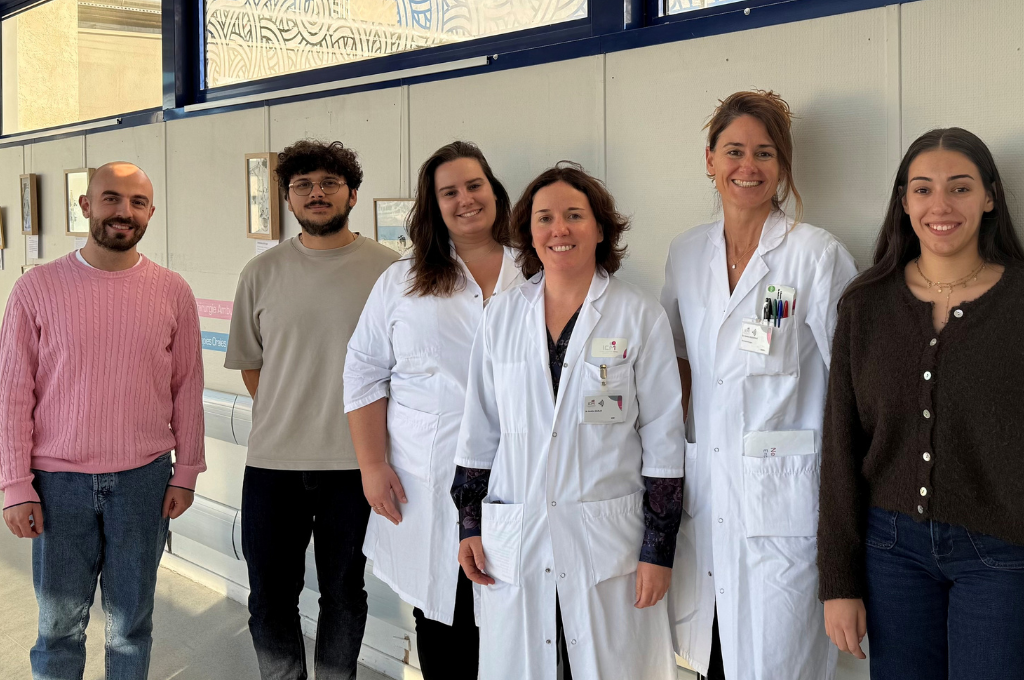
The SIRIC Montpellier Cancer IRP-2 PANACEA Research Program supports the FREEDOME study, coordinated by neuro-oncologist Dr. Amélie Darlix and neuropsychologist Dr. Estelle Guerdoux from the Montpellier Cancer Institute.
This fall, the FREEDOME study protocol was published in Frontiers in Psychology Section Neuropsychology
What is the FREEDOME study?
FREEDOME is a multicentre trial including 187 patients across 8 French centres, testing a structured neuropsychological rehabilitation program for neurocognitive complaints in lower-grade gliomas:
ICM, CHU de Bordeaux, CHU d’Amiens, CHRU de Nancy, CHU de Lyon, IUCT Toulouse, APHM Marseille, CHU de Nîmes
Why it matters
Lower-grade gliomas (grade 2 or 3) often affect young adults and can lead to difficulties with emotions, memory, attention, and executive functions, impacting work, family, and social life.
What will be assessed
The study evaluates cognitive complaints, psychological aspects (including anxiety and depression), quality of life, fatigue, and detailed neurocognitive functions. The goal is to combine human behavioural and cognitive-therapy based-care with neurocognitive digital tools and develop accessible, evidence-based rehabilitation pathways for patients with lower-gradegliomas.
The interventional FREEDOME study is funded by the Ministry of Health and Prevention (PHRC-I No. 2022-086) and SIRIC 3.
Read the full article: Efficacy of hybrid remote neuropsychological rehabilitation on cognitive complaints in post-therapeutic lower-grade glioma: the FREEDOME randomized study protocol